
Celebrating the hands that craft timeless beauty
International Jeweller's Day: 31 January
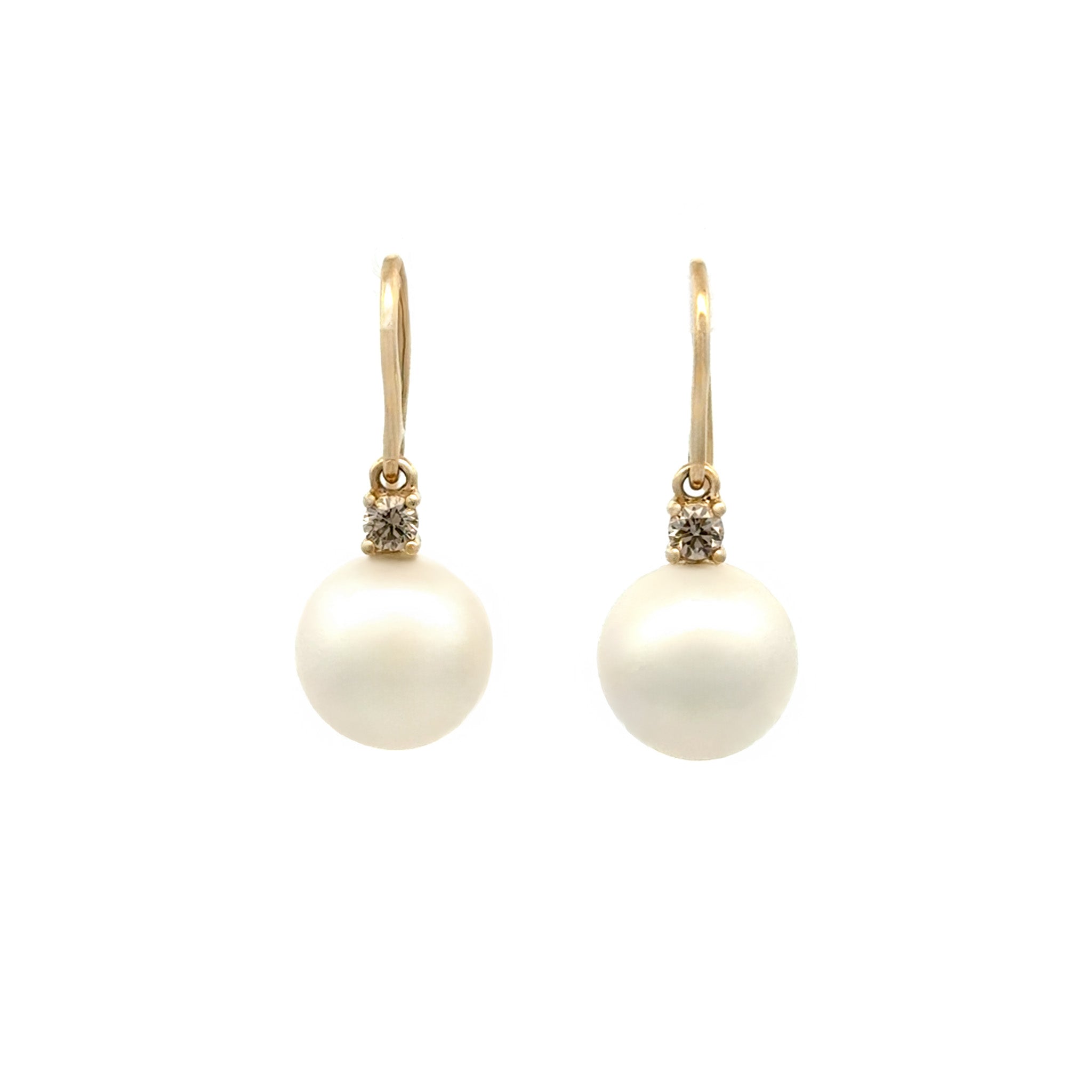
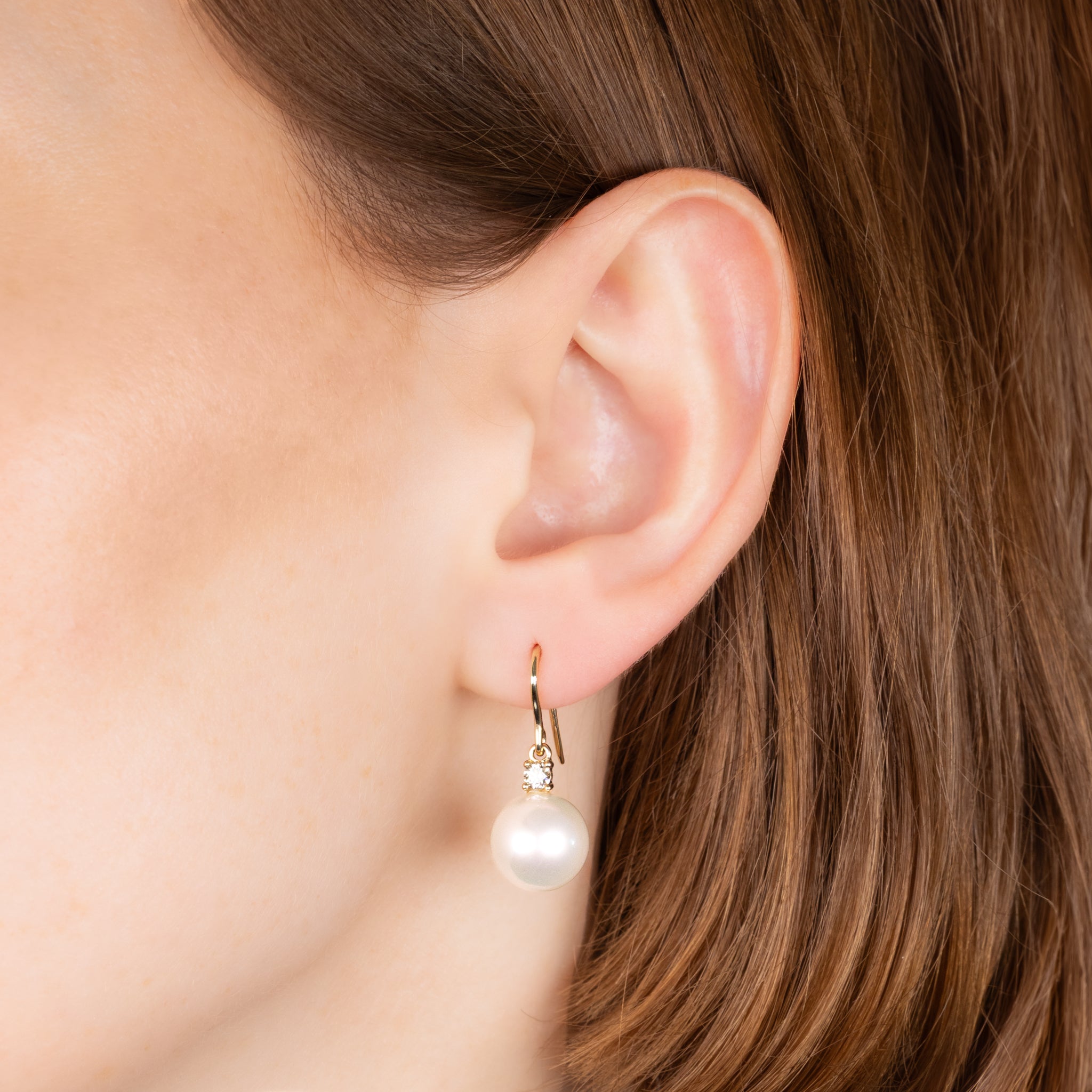
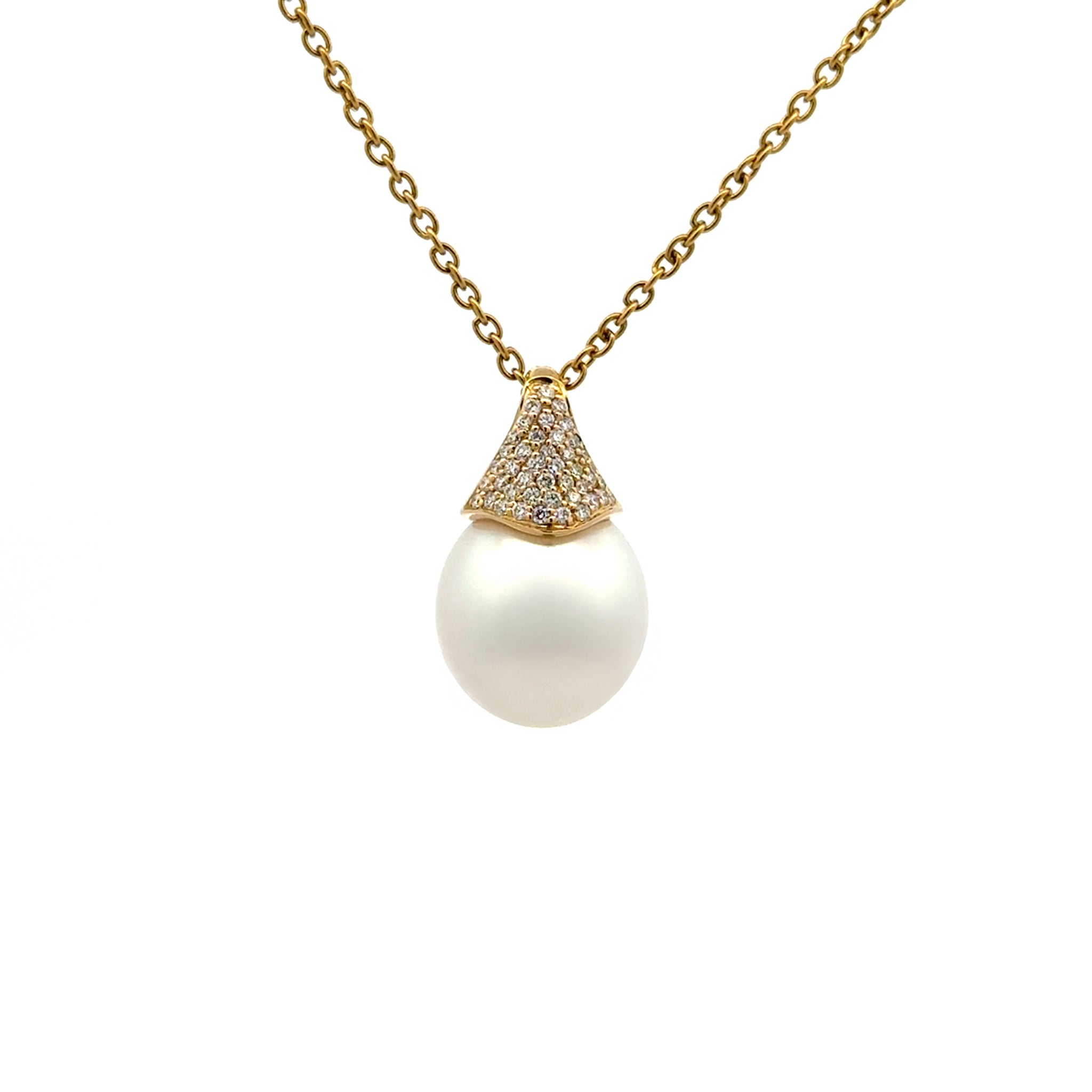
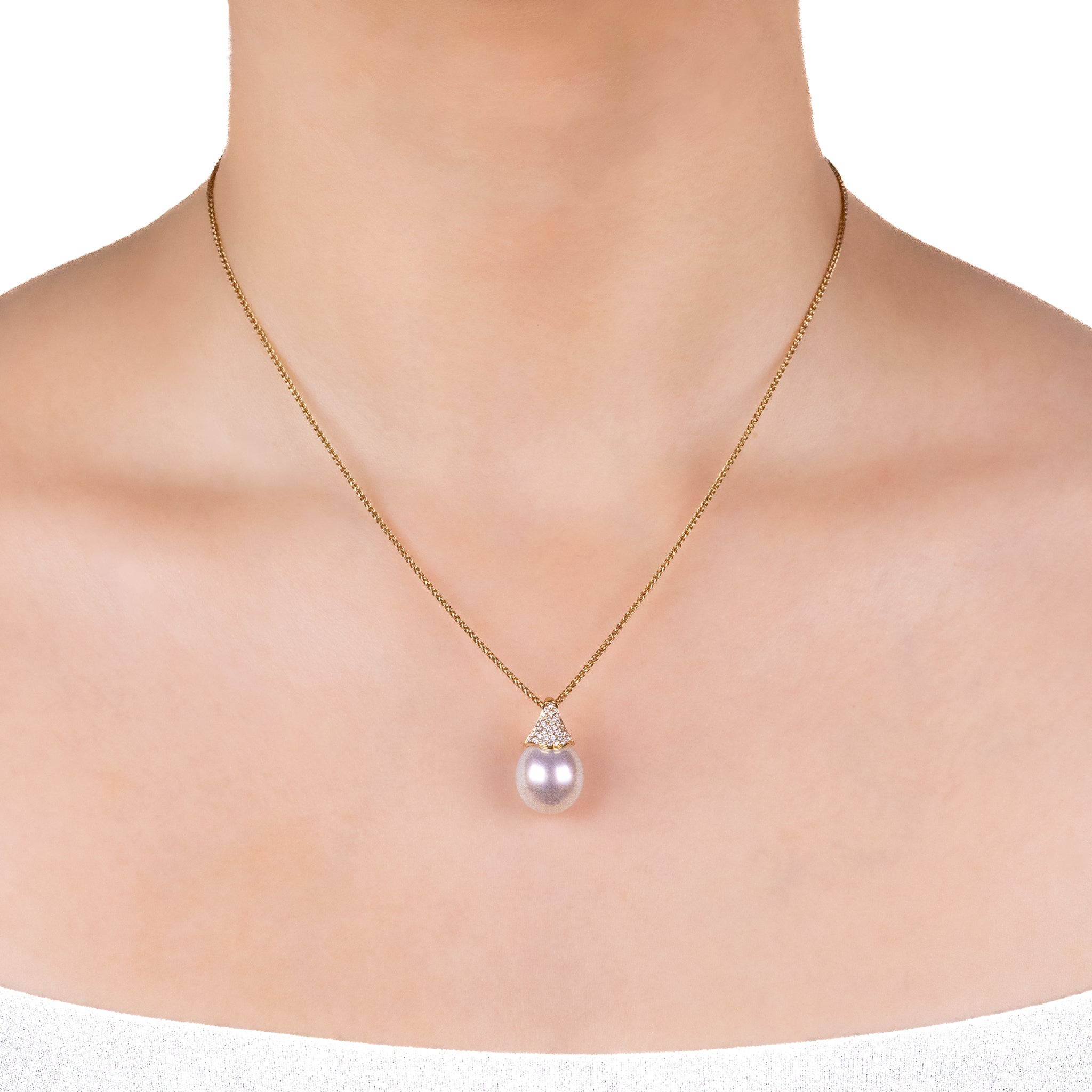
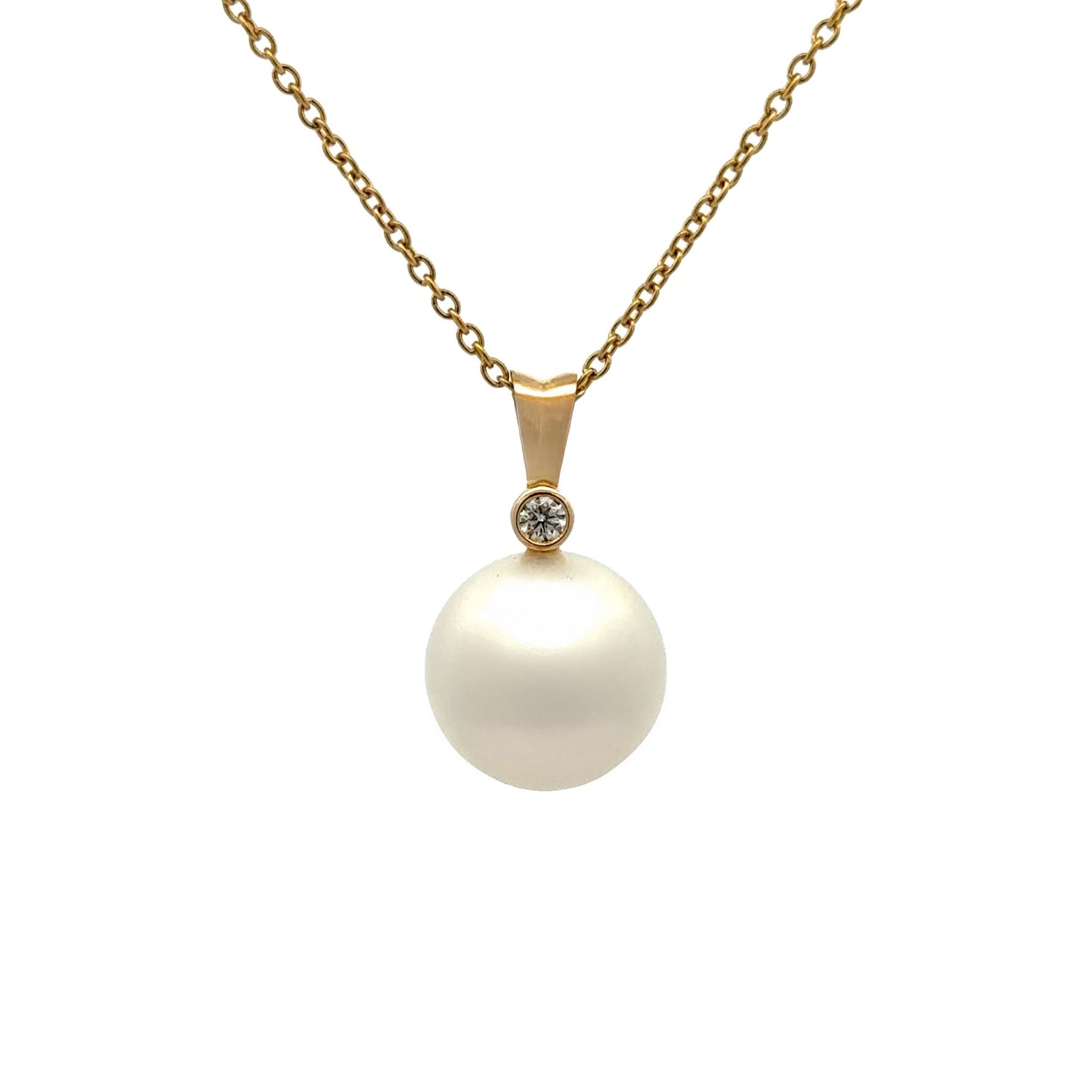
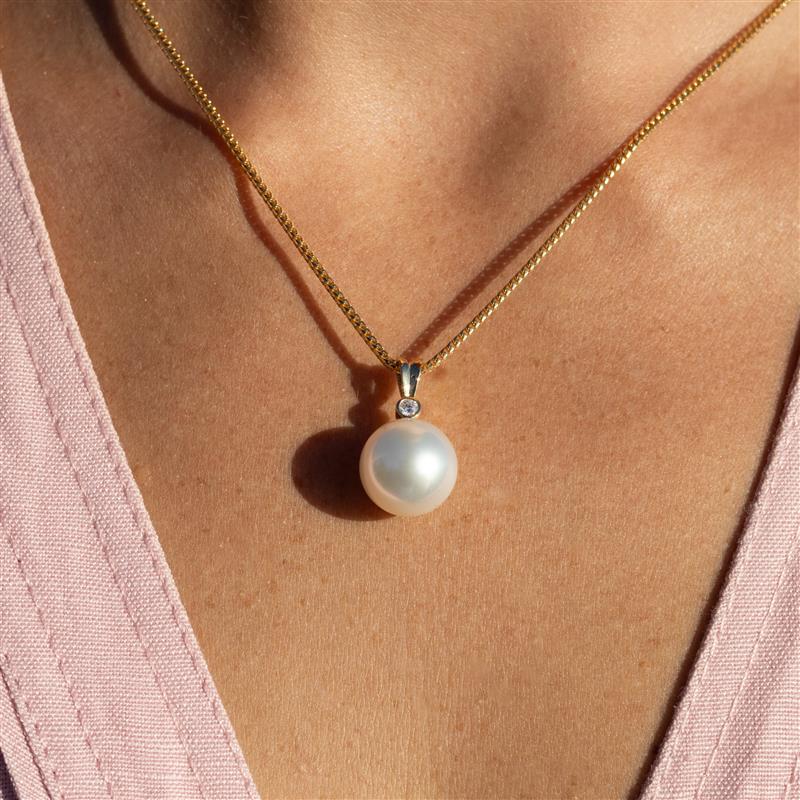
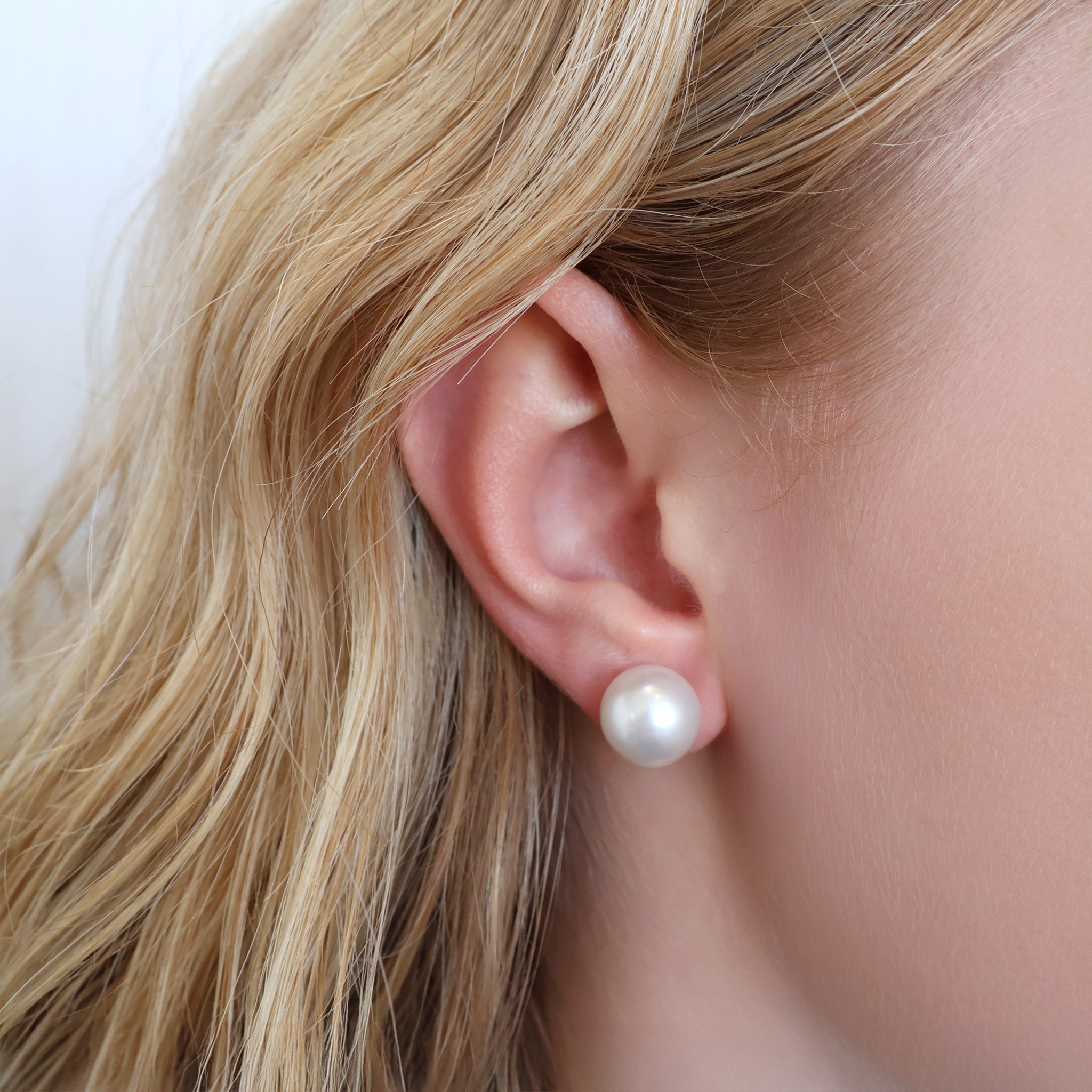
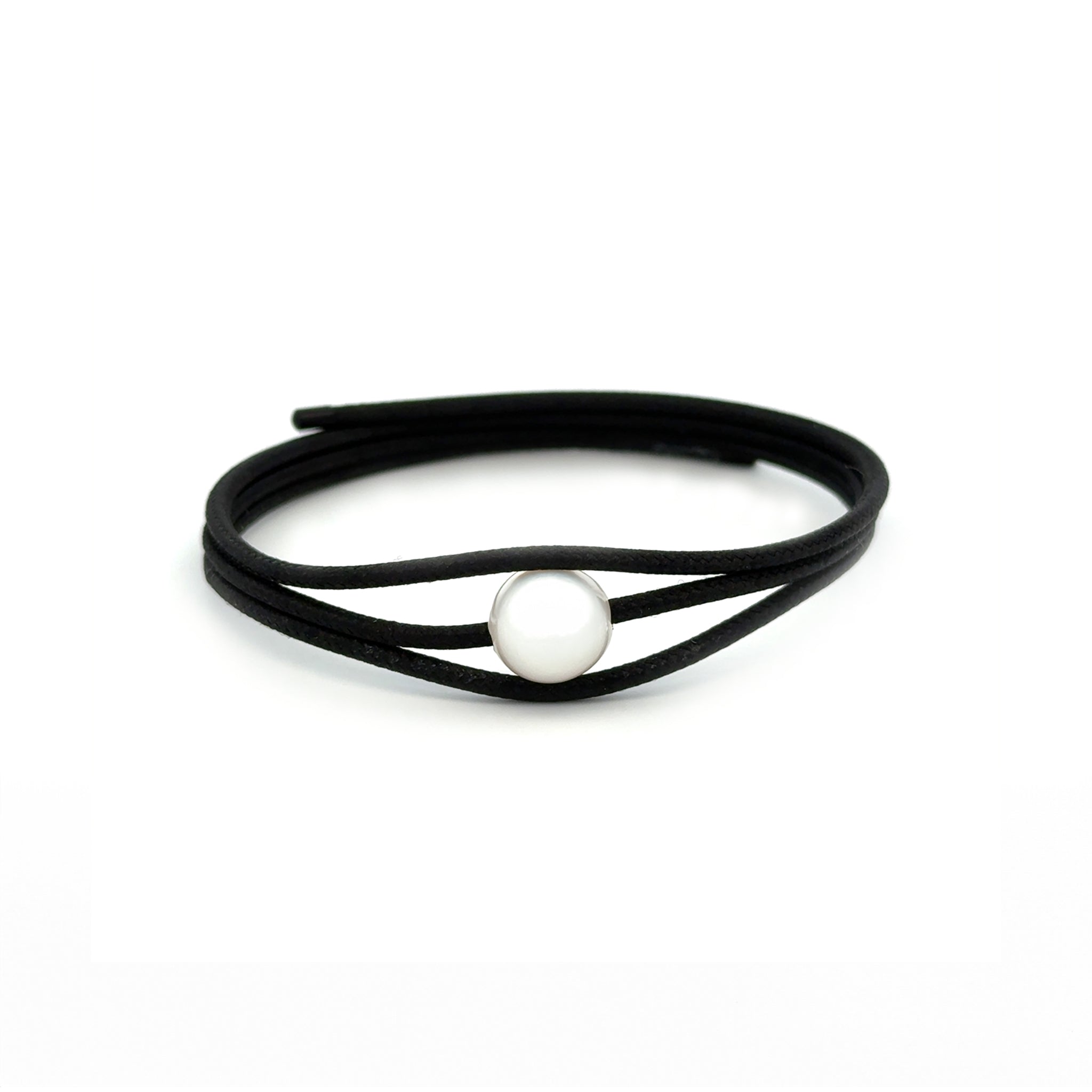
SHOP OUR JEWELLER'S TOP PICKS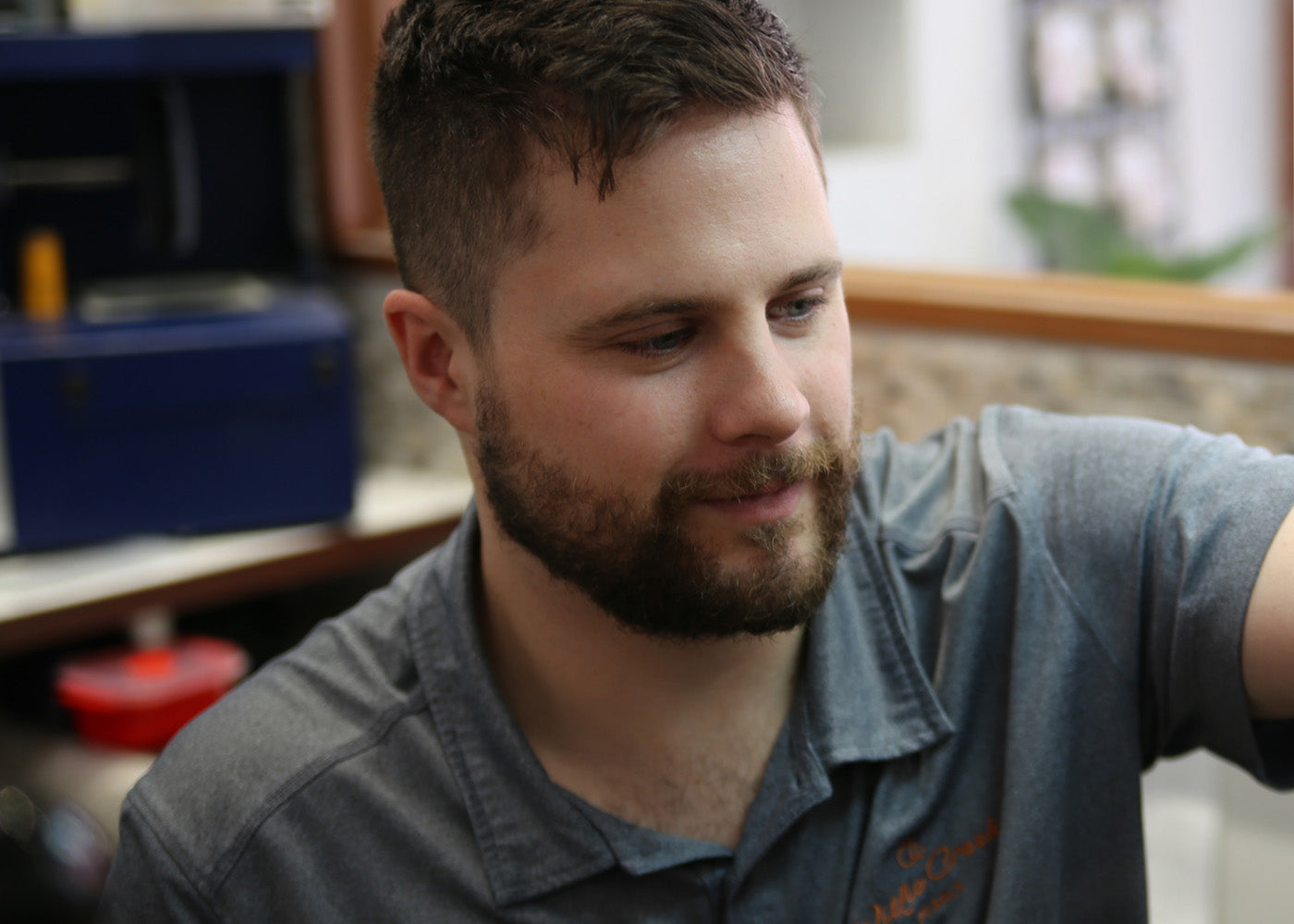
Meet Will
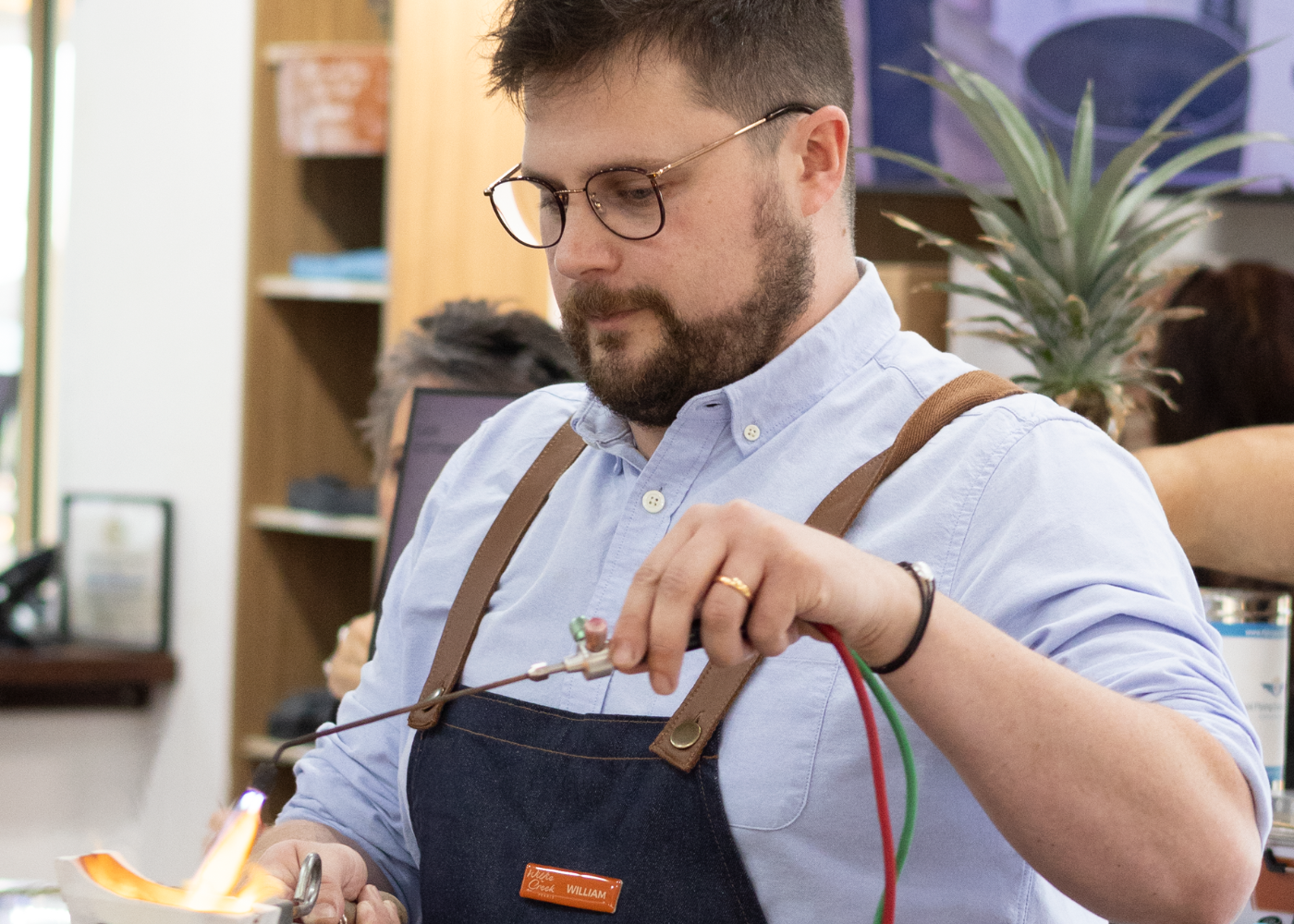
Meet William – a born and raised Western Australian jeweller who has been part of the Willie Creek Pearls’ family for a decade. Working from our Subiaco showroom, he takes a very thoughtful approach to his craft, finding inspiration in the beauty of our Australian South Sea pearls. To William, every harvest from our Broome farm is a new gift, and he finds true joy in uncovering the unique character of every single pearl.
Meet Lili
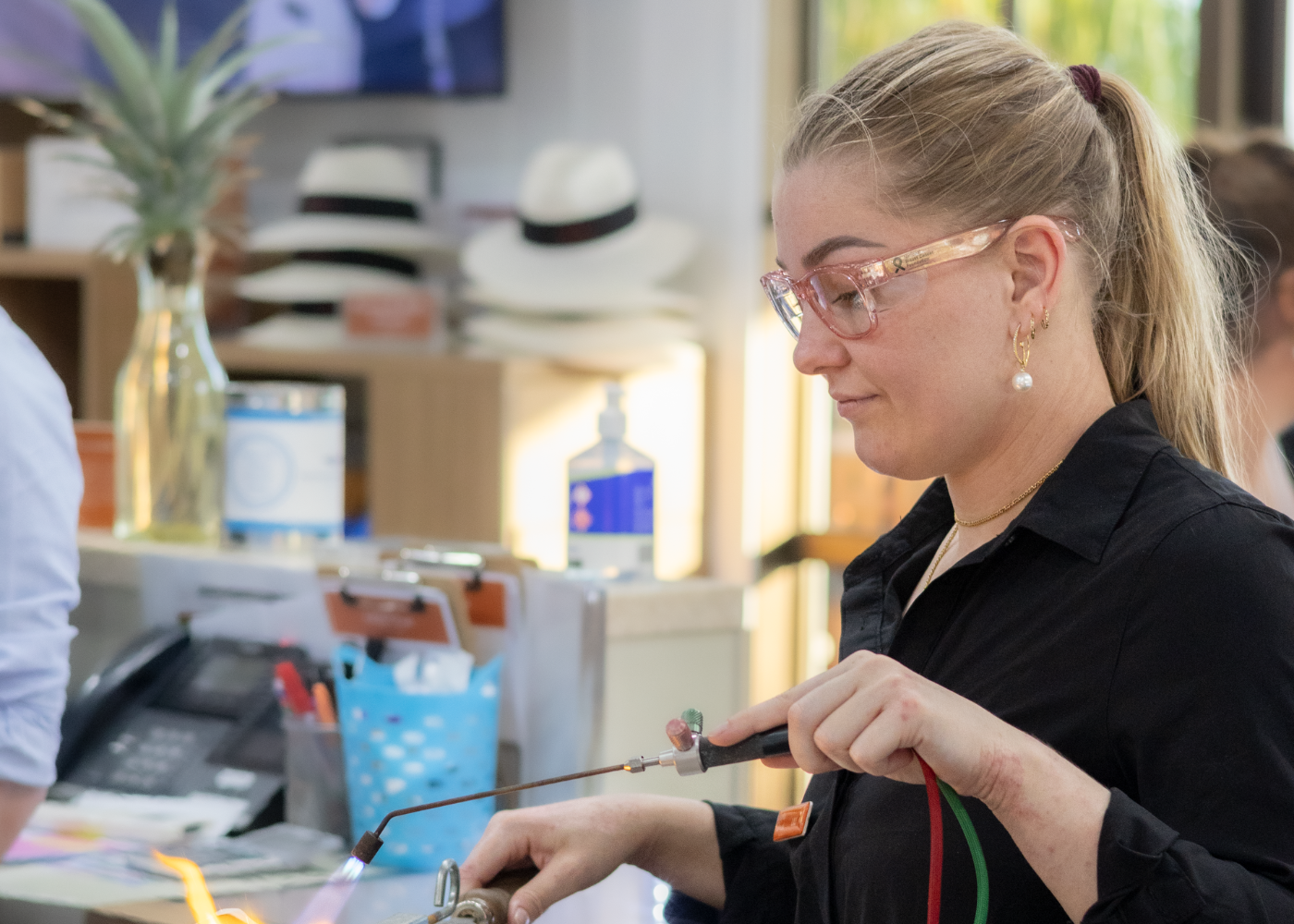
Meet Lili - our newest qualified jeweller and a third-generation Banfield, carrying forward our family legacy at Willie Creek Pearls. While her path into the world of jewellery wasn't originally planned, it blossomed from a willingness to help the family business during the challenges of Covid. What started as lending a hand quickly revealed a natural eye for design and a deep, affecting connection to the craft.
What makes Australian South Sea pearls truly unique?
Unlike most gemstones, our pearls are born from a living creature - the Pinctada maxima oyster. They arrive from the pristine waters of Northwest Australia already stunning, requiring no cutting or faceting. Nurturing them in the pristine waters of Northwest Australia is a true harmony with nature, with every pearl a rare gift with its own exceptional personality. We provide care, but ultimately, the ocean decides what treasure it will give us.
What makes Australian South Sea pearls truly unique?
Unlike most gemstones, our pearls are born from a living creature - the Pinctada maxima oyster. They arrive from the pristine waters of Northwest Australia already stunning, requiring no cutting or faceting. Nurturing them in the pristine waters of Northwest Australia is a true harmony with nature, with every pearl a rare gift with its own exceptional personality. We provide care, but ultimately, the ocean decides what treasure it will give us.
What’s the most challenging part of crafting with pearls - and the most rewarding?
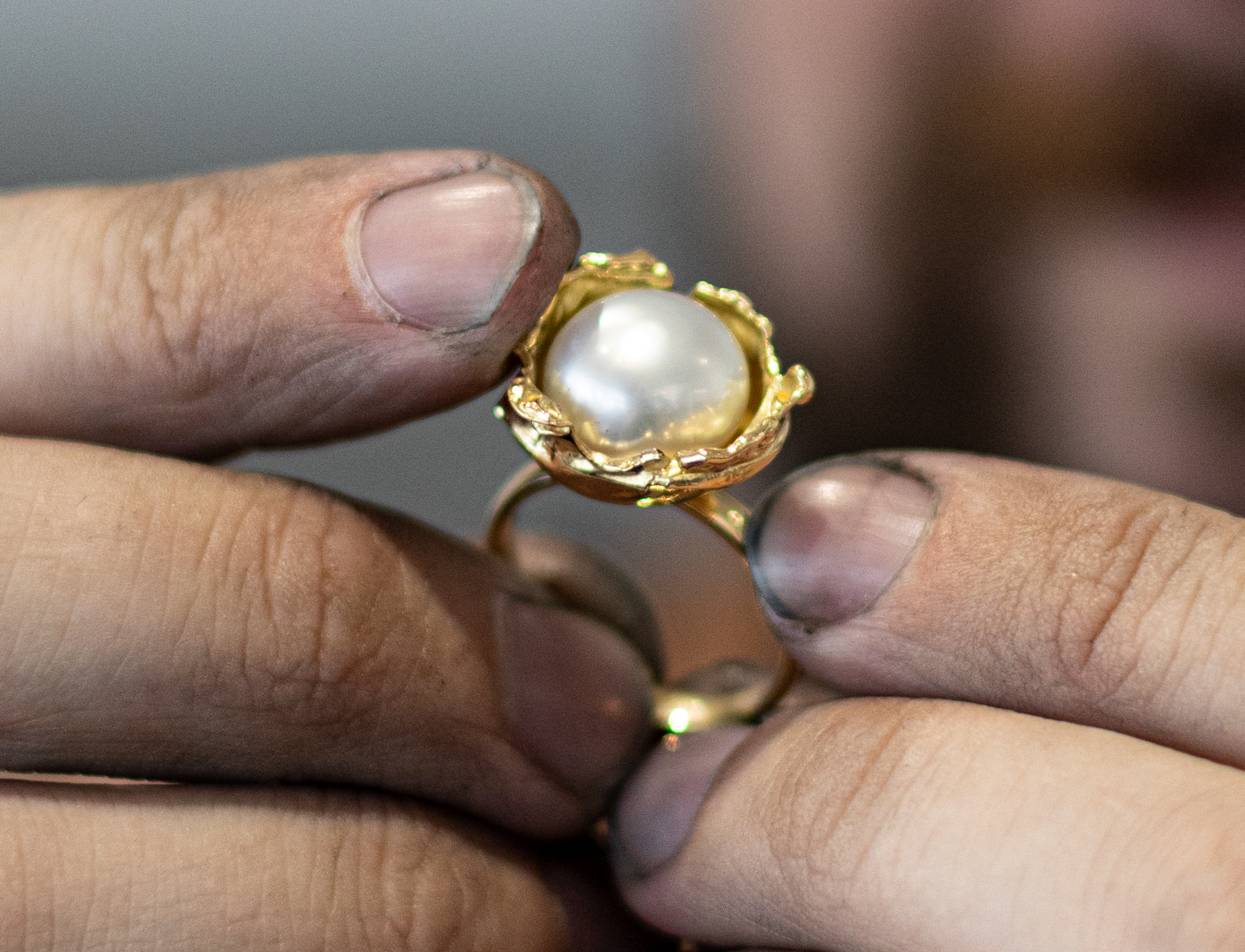
Nature doesn’t work to a script, so the hardest part is definitely the match-making - spending time searching through harvests to find two pearls that sit happily together to shape a beautiful item.
The reward is the moment of connection when a customer falls in love with a piece, knowing it will become a part of their own story and memories. And beyond this, knowing a piece I created will be worn for a lifetime of memories is a huge honour.
What’s the most challenging part of crafting with pearls - and the most rewarding?
Nature doesn’t work to a script, so the hardest part is definitely the match-making - spending time searching through harvests to find two pearls that sit happily together to shape a beautiful item.
The reward is the moment of connection when a customer falls in love with a piece, knowing it will become a part of their own story and memories. And beyond this, knowing a piece I created will be worn for a lifetime of memories is a huge honour.
Walk us through your creative process: how does a design go from an idea to a finished piece?
I let the pearl lead the way, and I guide it so each piece becomes truly unique. From the outset, I ask myself a few key questions: which precious metal best complements the pearl’s colour and tone, and what style of jewellery will most beautifully showcase it? I also pay attention to what customers are looking for and let that inform the design.
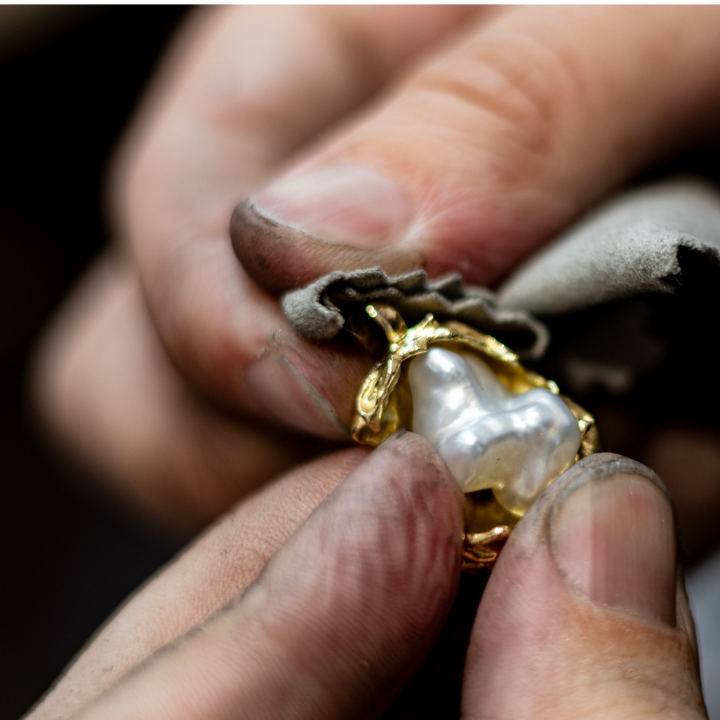
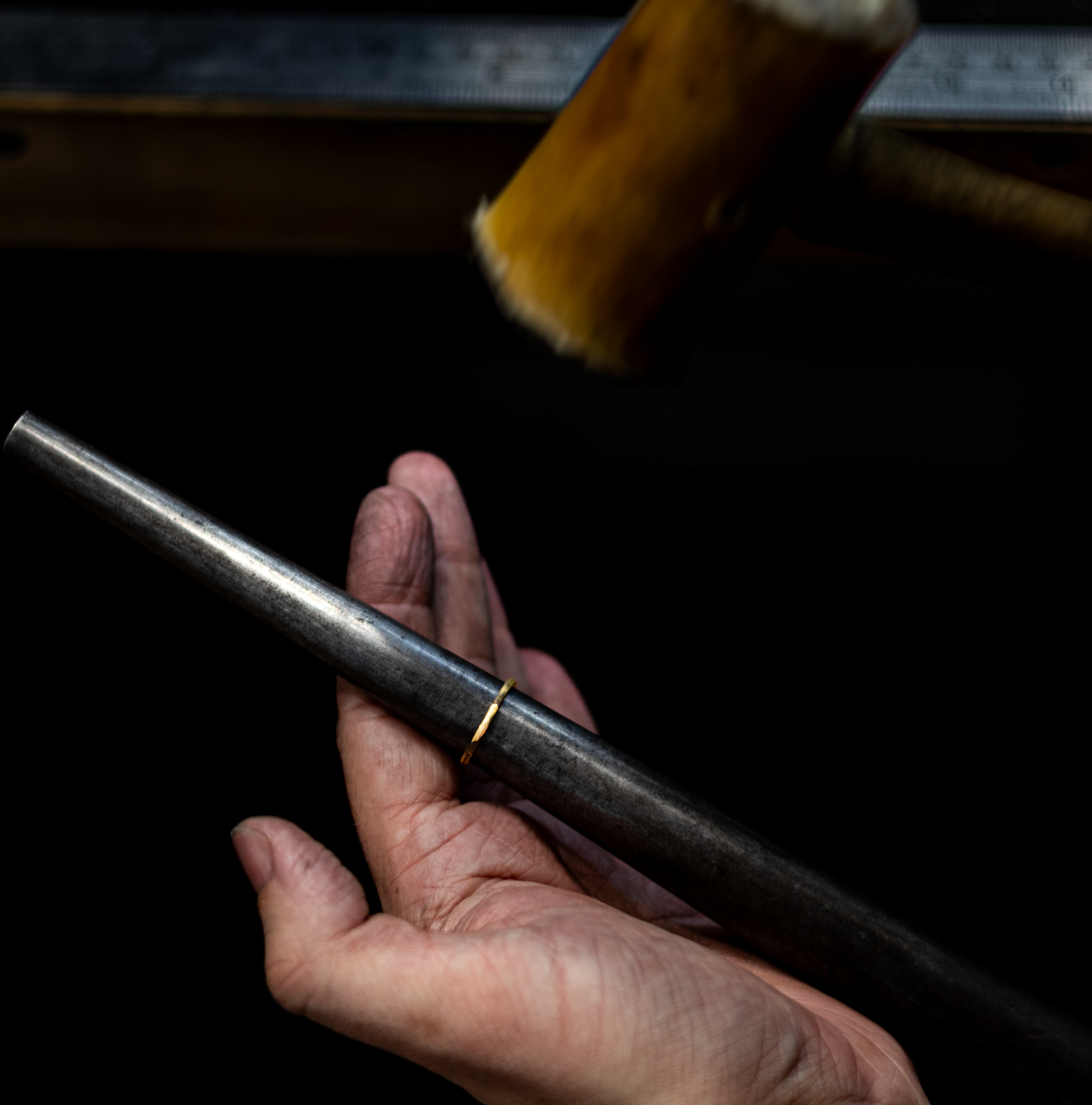
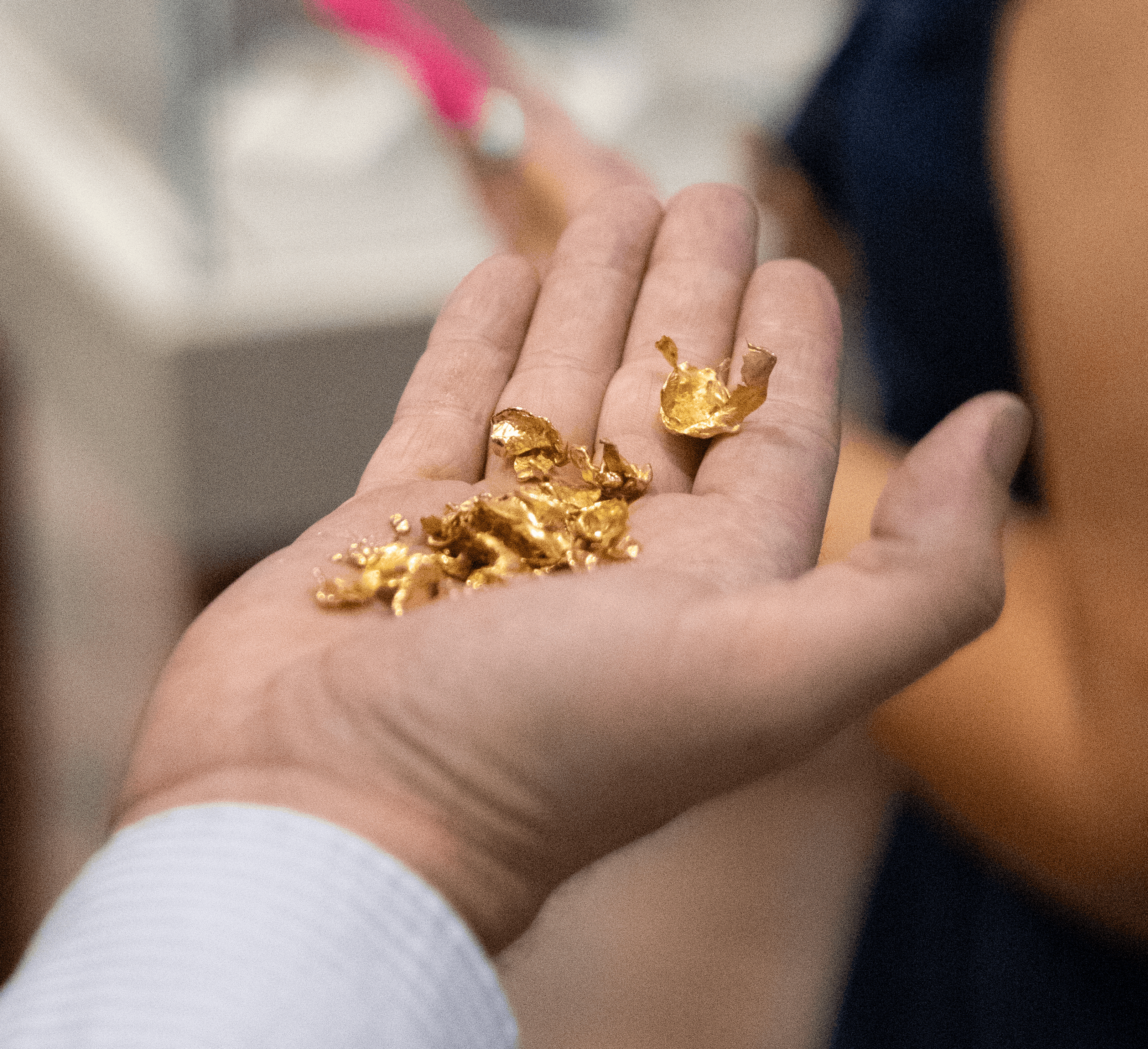
There are essentially three ways I can make a piece. The first is completely handmade, starting with a solid block of gold that I shape and form by hand using traditional jewellery tools. The second approach is hand-carving a wax model, which is then cast in metal. The third uses CAD, which is a 3D technical drawing software.
Once I understand how each pearl is to be presented, I choose the method that suits it best. For Keshi or baroque pearls, I’ll often hand-carve wax so the setting naturally responds to the pearl’s organic shape. When repeatability is important, I’ll use CAD instead. This also allows customers to view and approve the design before I make the final piece.
From there, I craft and assemble all the components, finishing by hand-setting each pearl onto its precious metal setting. Pearls are incredibly individual, so every piece is inspected methodically to ensure the highest quality and a secure fit.
From the first sketch through to the final touches, each step is done with care, ensuring the pearl remains the heart of the piece.
Walk us through your creative process: how does a design go from an idea to a finished piece?
I let the pearl lead the way, and I guide it so each piece becomes truly unique. From the outset, I ask myself a few key questions: which precious metal best complements the pearl’s colour and tone, and what style of jewellery will most beautifully showcase it? I also pay attention to what customers are looking for and let that inform the design.
There are essentially three ways I can make a piece. The first is completely handmade, starting with a solid block of gold that I shape and form by hand using traditional jewellery tools. The second approach is hand-carving a wax model, which is then cast in metal. The third uses CAD, which is a 3D technical drawing software.
Once I understand how each pearl is to be presented, I choose the method that suits it best. For Keshi or baroque pearls, I’ll often hand-carve wax so the setting naturally responds to the pearl’s organic shape. When repeatability is important, I’ll use CAD instead. This also allows customers to view and approve the design before I make the final piece.
From there, I craft and assemble all the components, finishing by hand-setting each pearl onto its precious metal setting. Pearls are incredibly individual, so every piece is inspected methodically to ensure the highest quality and a secure fit.
From the first sketch through to the final touches, each step is done with care, ensuring the pearl remains the heart of the piece.
When you hold a pearl, what do you see?
I look for what we call the "Five Virtues" to tell us a pearl's story:
Lustre: The luminous glow of the pearl, nuanced by how the light reflects and refracts from the layers of nacre.
Size: Typically, the larger the pearl, the greater its value.
Shape: Shape doesn’t affect quality, although it can impact its value. Perfectly round pearls are the most desirable, and hence, considered the most valuable.
Colour: Colour is so personal to every customer, although traditionally, white pearls with soft pink overtones tend to shine as the most popular.
Complexion: The number and size of the natural surface markings will greatly influence the value and beauty of each pearl. Being born from nature, a pearl with a flawless surface is exceptionally rare.
When you hold a pearl, what do you see?
I look for what we call the "Five Virtues" to tell us a pearl's story:
Lustre: The luminous glow of the pearl, nuanced by how the light reflects and refracts from the layers of nacre.
Size: Typically, the larger the pearl, the greater its value.
Shape: Shape doesn’t affect quality, although it can impact its value. Perfectly round pearls are the most desirable, and hence, considered the most valuable.
Colour: Colour is so personal to every customer, although traditionally, white pearls with soft pink overtones tend to shine as the most popular.
Complexion: The number and size of the natural surface markings will greatly influence the value and beauty of each pearl. Being born from nature, a pearl with a flawless surface is exceptionally rare.
Meet Lili

What brings you the greatest joy at Willie Creek Pearls?
The most rewarding part of jewellery is always seeing the finished product. It’s amazing to see all the small components that you've spent so much time on finally come together to make something beautiful. Seeing the polished metal reflected in our lustrous pearls is amazing. Pearls are always interesting to work with as each one is unique and needs to be inspected and selected to perfectly fit its setting – making this happen makes me happy.
What brings you the greatest joy at Willie Creek Pearls?
The most rewarding part of jewellery is always seeing the finished product. It’s amazing to see all the small components that you've spent so much time on finally come together to make something beautiful. Seeing the polished metal reflected in our lustrous pearls is amazing. Pearls are always interesting to work with as each one is unique and needs to be inspected and selected to perfectly fit its setting – making this happen makes me happy.
How does it feel to create pieces that will become family heirlooms?
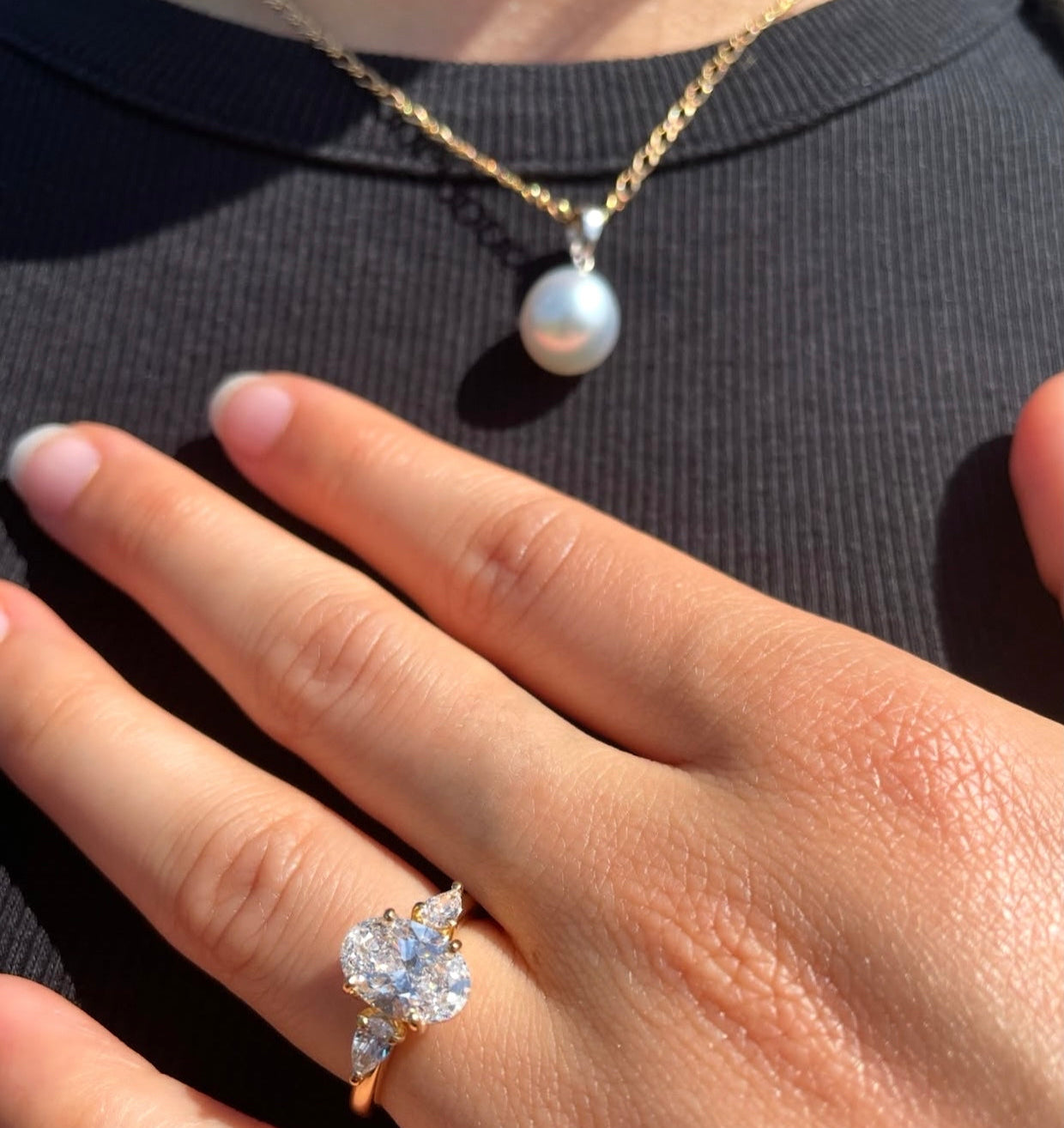
People associate pieces with their most cherished memories. There is nothing more heart-warming than watching someone walk out of our showroom truly in love with a piece I’ve created, knowing that my hands have helped shape a future heirloom that will be cherished for generations.
How does it feel to create pieces that will become family heirlooms?
People associate pieces with their most cherished memories. There is nothing more heart-warming than watching someone walk out of our showroom truly in love with a piece I’ve created, knowing that my hands have helped shape a future heirloom that will be cherished for generations.
In the workshop, how do you know when a piece is finally perfect?
I find a helpful way to get creative is sometimes as simple as just selecting one of our amazing Australian South Sea pearls and going from there. For example, certain pearls tend to look better set onto different pieces. Different colours lend themselves to different precious metals, different shapes suit certain types of jewellery, and the size of the pearl can impact the size of the finished piece. It’s about letting the metals complement and express the beauty of each pearl.
In the workshop, how do you know when a piece is finally perfect?
I find a helpful way to get creative is sometimes as simple as just selecting one of our amazing Australian South Sea pearls and going from there. For example, certain pearls tend to look better set onto different pieces. Different colours lend themselves to different precious metals, different shapes suit certain types of jewellery, and the size of the pearl can impact the size of the finished piece. It’s about letting the metals complement and express the beauty of each pearl.
How do you design around something completely unique?
When starting with a unique free-form Keshi pearl, I like to create a piece that perfectly balances its unique shape and feel. One of the ways we do this is by carving wax and creating a perfect mould, so the Keshi can fit into the jewellery seamlessly. It can really reflect the unique beauty of the Keshi, allowing it to stand out.
How do you design around something completely unique?
When starting with a unique free-form Keshi pearl, I like to create a piece that perfectly balances its unique shape and feel. One of the ways we do this is by carving wax and creating a perfect mould, so the Keshi can fit into the jewellery seamlessly. It can really reflect the unique beauty of the Keshi, allowing it to stand out.
Our Jeweller's Top Picks